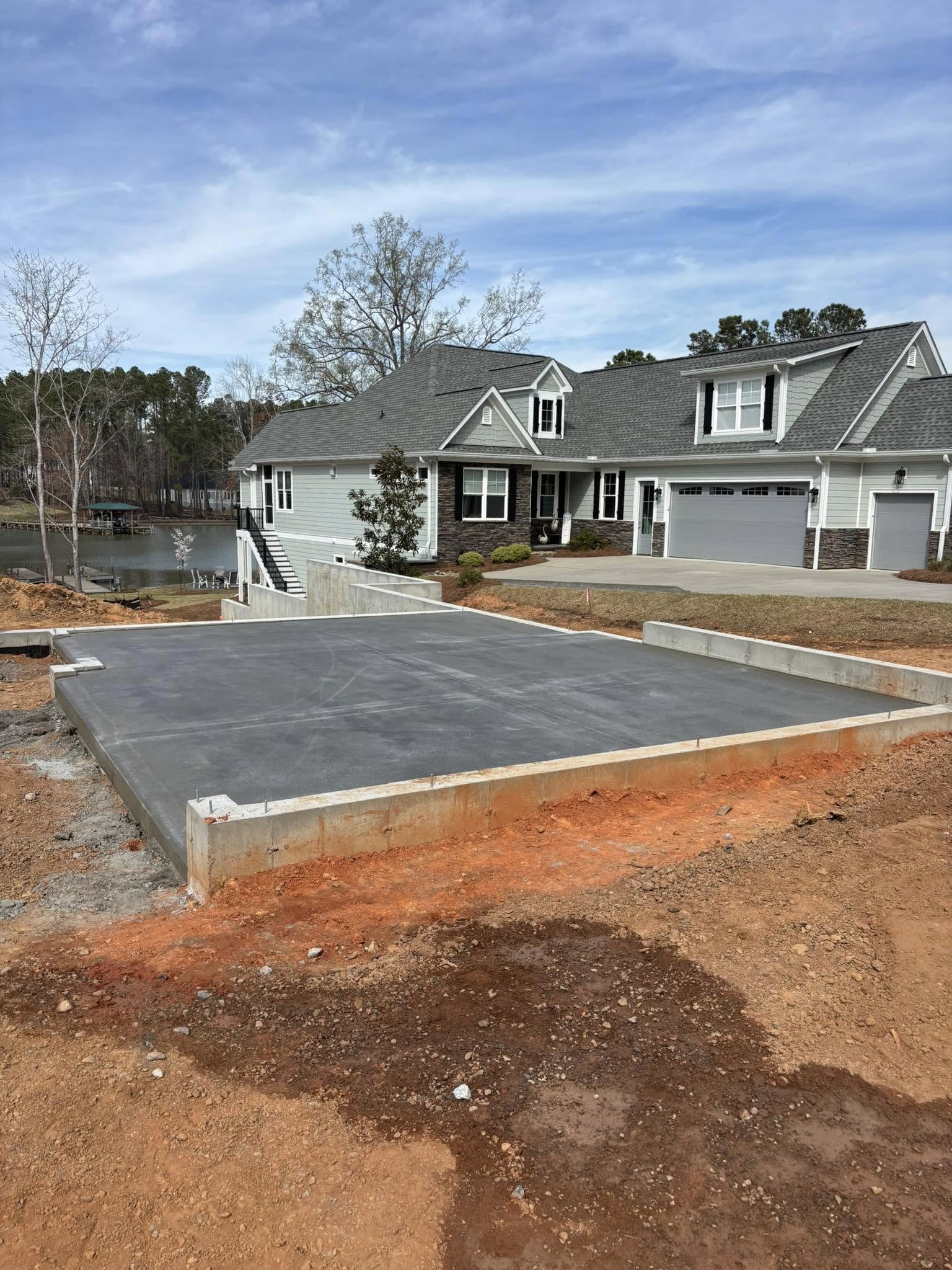
Understanding the Impact of Weather on Concrete Curing and Longevity Dec 25, 2025
Weather conditions such as temperature, humidity, and wind can drastically affect how concrete cures. Let's take temperature first. Ideal curing occurs between 50°F and 90°F. In colder conditions, the hydration reaction that strengthens concrete is slowed, which can lead to incomplete curing and potential weakness in the structure. Conversely, in extreme heat, the water within the concrete can evaporate too quickly, preventing proper hydration and leading to cracking or a weakened surface. For this reason, Baer & Sons Concrete often uses techniques like insulated blankets or heated enclosures for projects in cold weather, or misting and shading to retain moisture in hot, dry conditions.
Humidity plays another important role. High humidity levels can be beneficial as they reduce the rate of evaporation, allowing the concrete to retain moisture necessary for proper curing. However, prolonged high humidity can also prolong the curing process, potentially delaying project timelines. On the flip side, low humidity and windy conditions can cause rapid water loss, leading to surface cracks and insufficient internal strength. Baer & Sons Concrete recommends employing curing compounds that create a moisture-retaining barrier or adjusting the mix's water content for optimal hydration under varying humidity levels.
Wind is often overlooked, but it poses challenges during the curing process as well. Strong winds can accelerate moisture evaporation, similar to low humidity, causing surface shrinkage and cracking. Understanding wind patterns and adjusting curing strategies accordingly ensures that concrete surfaces do not suffer from premature drying.
It is crucial to monitor these weather conditions at every stage of a concrete project. Doing so not only extends the lifespan of the structure but also prevents costly repairs or replacements. By leveraging techniques suited to specific weather scenarios, Baer & Sons Concrete enhances both the curing efficiency and the outcome of every project they undertake.
Moreover, technology plays a pivotal role in mitigating weather impacts. Professionals now utilize digital tools and weather-predicting software to plan and adjust their strategies for any given climate condition. This proactive approach allows for better preparedness and resource allocation, ensuring that concrete curing is never left to chance.
In conclusion, understanding the impact of weather on concrete curing is vital for the longevity of any concrete project. Proper management of temperature, humidity, and wind, coupled with technological advancements, helps achieve superior results. Baer & Sons Concrete combines this knowledge with their industry expertise to deliver durable, high-quality concrete structures. By considering weather impacts and utilizing appropriate measures, both contractors and DIY enthusiasts can ensure their concrete projects stand the test of time, providing lasting value and structural integrity.
/filters:no_upscale()/filters:format(webp)/media/15f71c30-b5cc-47d6-9391-2fe5a80f2b6e.jpeg)