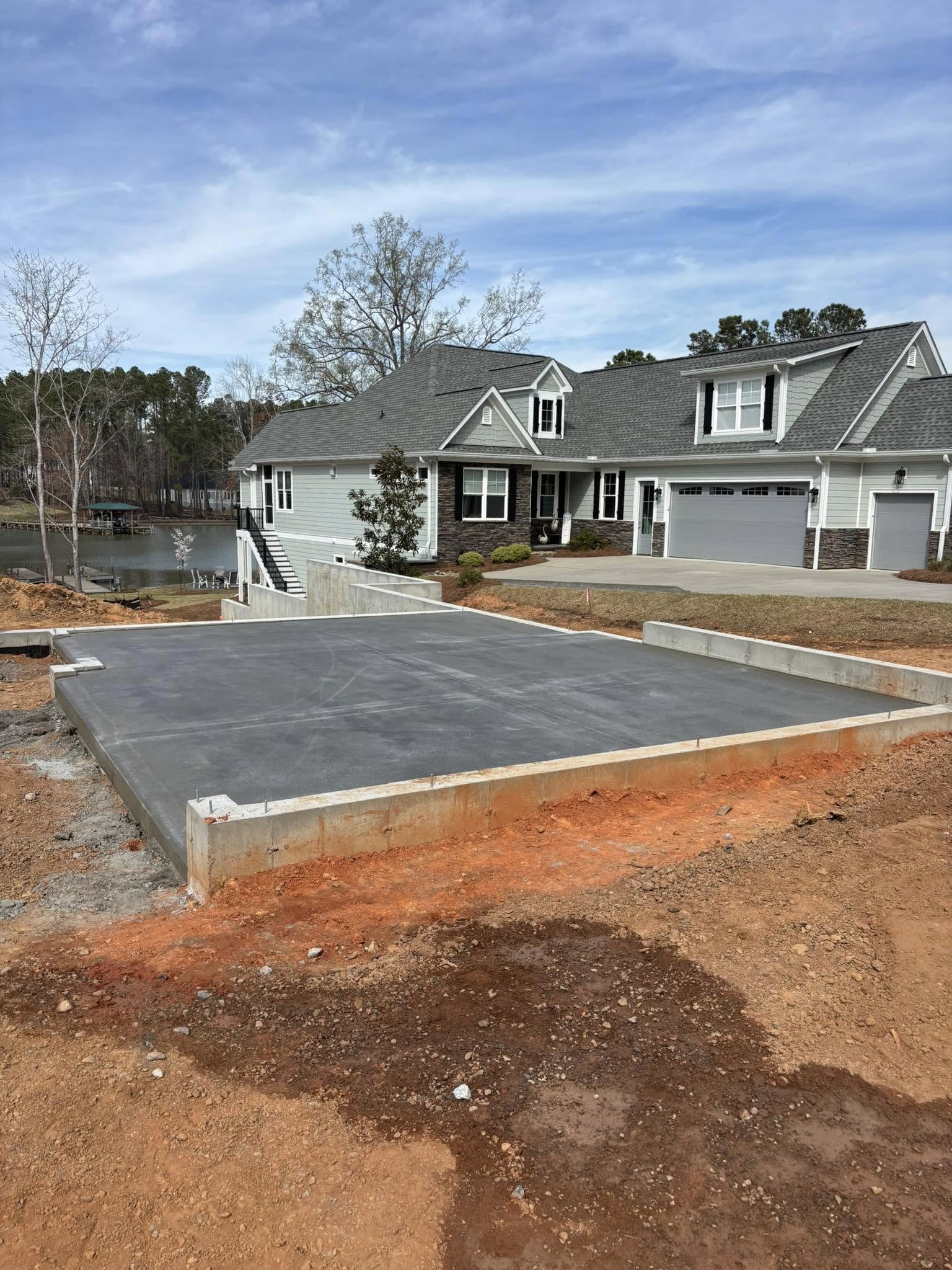
The Role of Concrete in Sustainable Urban Development: A Comprehensive Guide Feb 11, 2026
Concrete is not just fundamental in providing structural integrity to buildings, roads, and bridges; it also holds considerable potential for sustainability. Advances in concrete technology have led to the development of materials that significantly reduce the carbon footprint of construction projects. One such innovation is the use of supplementary cementitious materials (SCMs), which can replace a portion of Portland cement in concrete mixtures. This not only utilizes industrial by-products, which would otherwise contribute to landfill waste, but also significantly lowers the environmental impact.
Incorporating recycled aggregates into concrete is another sustainable practice gaining traction. By repurposing construction and demolition waste as aggregates in new concrete, this approach not only reduces the consumption of virgin materials but also decreases the environmental footprint of transportation and landfill usage. This method highlights how materials once thought to be waste can become valuable resources, aligning perfectly with the principles of a circular economy.
The shift towards sustainable construction practice is also evident in the development of high-performance concrete which is designed to last longer and require less maintenance. This durability ensures that buildings and infrastructures need less frequent repairs or replacements, further reducing resource use and energy consumption. With structures that stand the test of time, cities can minimize environmental disruption while maximizing efficiency and longevity.
Sustainable design is another emerging trend where concrete plays a crucial role. Eco-friendly urban planning integrates concrete into green building certifications, such as LEED (Leadership in Energy and Environmental Design). By optimizing the thermal mass of concrete, buildings can benefit from improved energy efficiency, leading to lower heating and cooling costs. This aspect of concrete is instrumental in achieving energy-saving targets, making spaces more comfortable and reducing the operational carbon footprint over their lifecycle.
Moreover, pervious concrete offers a solution to urban flooding and water management issues. Designed to allow water to pass through, it reduces stormwater runoff, recharges groundwater, and supports better stormwater management systems. Pervious concrete is especially valuable in parking lots, driveways, and walkways, where surface water can be effectively managed without compromising on durability or performance.
As urban areas face the challenges of climate change and resource scarcity, concrete's versatility and adaptability make it an indispensable material in sustainable urban development. Baer & Sons Concrete recognizes the importance of integrating these sustainable practices into their projects. By staying at the cutting edge of concrete technology, they ensure that their services not only meet the requirements of modern infrastructure but also contribute to a more sustainable future for urban environments.
In conclusion, concrete is more than just a building material; it's a cornerstone of sustainable urban development. Through innovative practices and technological advancements, companies like Baer & Sons Concrete are contributing to the creation of resilient, environmentally-friendly cities. As we look to the future, embracing these sustainable practices will be essential in fostering urban areas that thrive in harmony with nature.
/filters:no_upscale()/filters:format(webp)/media/15f71c30-b5cc-47d6-9391-2fe5a80f2b6e.jpeg)